Garden Bed Weed Control That Won't Wreck Your Plants
Effective weed control strategies for Australian garden beds without damaging the plants you want to keep. Learn prevention, removal techniques, and when chemical control makes sense.
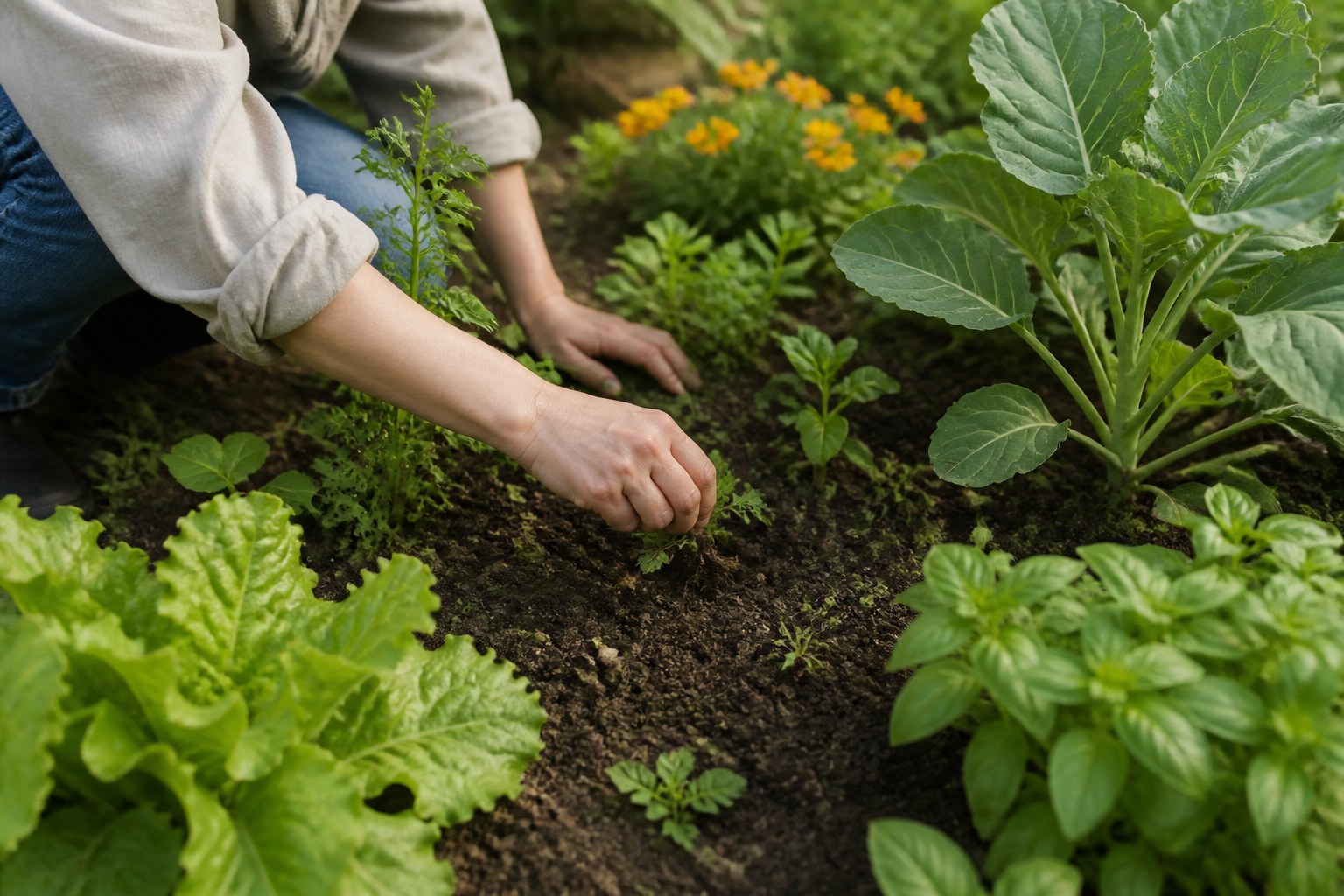
Weeds in garden beds are relentless. Turn your back for a few weeks and they’ll dominate, stealing nutrients, water, and light from your intended plants. But aggressive weed control can damage the plants you’re trying to protect.
Here’s how to manage garden bed weeds effectively without collateral damage.
Prevention: The Best Strategy
An ounce of prevention beats hours of weeding later. Most weed problems can be minimized before they start.
1. Proper Mulching
This is your first line of defense. Correctly applied mulch at 75-100mm depth prevents most weed seeds from germinating by blocking light.
Critical: Mulch before weeds establish, not after. Laying mulch over existing weeds just gives them a comfortable growing environment.
2. Landscape Fabric (Used Correctly)
Landscape fabric under mulch can work, but only if:
- You use quality commercial-grade fabric (not cheap plastic sheeting)
- It’s installed properly with adequate overlap
- You accept that it eventually needs replacing
- You’re not planning to add new plants frequently
Common mistake: Using plastic sheeting instead of breathable fabric. This suffocates soil, prevents water penetration, and creates more problems than it solves.
3. Dense Planting
Closely spaced plants shade out weeds naturally. Bare soil is an invitation for weed seeds.
Ground covers are especially effective weed suppressors once established. But be patient - there’s a weedy period while ground covers fill in.
4. Clean Edges
Weeds creep in from lawn areas, paths, and unmaintained borders. Regular edging creates a physical barrier and makes it easier to spot invaders early.
Hand Weeding: Still the Gold Standard
For established garden beds with existing plants, careful hand weeding beats everything else for control without collateral damage.
Best Practices
Weed when soil is moist: Day after rain or watering. Roots pull out completely rather than breaking off.
Get the whole root: Especially with tap-rooted weeds (dandelions, dock). Broken roots regenerate.
Use proper tools:
- Small hand fork for loosening soil
- Weeding knife for tap roots
- Cape cod weeder for precision work between plants
Weed early and often: Ten minutes weekly beats two hours monthly. Small weeds are infinitely easier to remove than established ones.
Dispose properly: Don’t compost weeds with seeds or runners (bindii, oxalis). Bag and bin them.
Common Hand Weeding Mistakes
Pulling too fast: Stems break off, roots remain
Weeding in dry soil: You get the tops, roots stay put
Disturbing desired plant roots: Aggressive weeding around shallow-rooted plants causes unintended damage
Leaving weed fragments: Pieces of oxalis or wandering jew? You’ve just propagated them across your bed.
Hoeing: For Larger Areas
A sharp hoe is excellent for large garden beds with row spacing, but risky around ornamental plantings.
Method:
- Use a stirrup (scuffle) hoe for best results
- Work when weeds are tiny seedlings
- Slice just below soil surface
- Hoe in dry conditions so severed weeds desiccate quickly
- Watch for irrigation lines and shallow roots
Not suitable for:
- Densely planted ornamental beds
- Areas with ground covers
- Around plants with shallow root systems
Chemical Control: When and How
Sometimes herbicides make sense, but they require caution and precision in garden beds.
Spot Spraying (Non-Selective Herbicides)
Products like glyphosate kill everything they touch. Only use these for:
- Clearing beds before planting
- Spot-treating isolated aggressive weeds
- Targeting specific weeds with careful shielding of desired plants
Application rules:
- Use a spray bottle, not a pressure sprayer (too much drift)
- Shield nearby plants with cardboard or plastic
- Spray on calm days only
- Paint on with a brush for ultimate precision
- Follow label directions exactly
Warning: Glyphosate kills on contact, including overspray on your prized plants. Use extreme caution.
Selective Herbicides
Some herbicides target specific weed types without harming other plants:
- Grass-selective herbicides for garden beds (kills grass weeds, not broadleaf plants)
- Broadleaf herbicides for lawn areas (but dangerous to garden beds)
Only use if:
- You’ve positively identified the weed type
- You’ve confirmed your desired plants won’t be affected
- You’re confident in your application technique
When in doubt, don’t spray. Hand weeding is slower but safer.
Pre-Emergent Herbicides
These prevent weed seeds germinating. They can be useful for problem beds, but:
- They also prevent desired seeds from germinating
- They require precise timing (before weed seeds germinate)
- They don’t kill established weeds
- They need reapplication as they break down
For most home gardeners, mulch does the same job with less risk and cost.
Dealing with Specific Problem Weeds
Oxalis (Soursob)
Those cheerful yellow flowers? Nightmare weed. Bulbs multiply rapidly and hand-pulling spreads them.
Control: Dig out entire bulb clusters carefully. Bag, don’t compost. Stay on top of it - every missed plant drops hundreds of seeds.
Bindii/Jo-Jo
Those painful prickles in lawns creep into beds too.
Control: Hand-pull before seed heads form (winter/spring). Mulch heavily to prevent germination. In lawns, selective herbicide works well.
Onion Weed
Smells like onions when disturbed, spreads via tiny bulbils.
Control: Dig out parent bulbs. Monitor and remove any resprouts immediately. Very persistent - requires ongoing vigilance.
Wandering Jew (Tradescantia)
Fast-growing succulent ground cover that’s considered an environmental weed in many areas.
Control: Remove every fragment. Even tiny pieces reroot. Bag all material. Consider solarization (see below) for heavy infestations.
Kikuyu Grass (In Garden Beds)
Aggressive runner grass that invades from lawn areas.
Control: Physical barrier edging helps. Carefully spot-spray with grass-selective herbicide. Hand-dig runners before they establish. Prevent lawn encroachment with regular edging.
Blackberry (If You’re Really Unlucky)
Seriously consider professional help. These are dangerous to handle and extremely difficult to eradicate.
Control: Cut and paint stems with glyphosate. Full PPE including thick gloves, long sleeves, eye protection. This is often a multi-season battle.
Solarization: Nuclear Option for Heavy Infestations
When a bed is completely overrun, solarization can reset it:
- Clear existing plants (if any)
- Water soil thoroughly
- Cover with clear plastic sheeting
- Seal edges with soil or weights
- Leave for 6-8 weeks in summer heat
- Remove plastic
- Don’t dig (weed seeds are buried - leave them deep)
- Replant and mulch immediately
This kills weed seeds, roots, and soil pathogens using solar heat. It’s effective but requires taking the bed out of use for two months.
Weed-Suppressing Ground Covers
Once you’ve cleared problem weeds, planting dense ground covers can keep them out long-term:
Good options for Peninsula gardens:
- Native violet (Viola hederacea)
- Dichondra
- Myoporum parvifolium
- Pratia (Isotoma)
These need patience to establish but reward you with low-maintenance, weed-free areas once they fill in.
When to Get Professional Help
Garden bed weeding can become overwhelming:
Consider professional garden maintenance for:
- Large properties with extensive beds
- Weed infestations that have gotten out of hand
- Difficult weeds requiring specialist knowledge
- Ongoing maintenance if you travel or lack time
- Physical limitations that make weeding difficult
Professional gardeners often combine weed control with seasonal tidying, mulching, and general maintenance - keeping beds in good shape year-round rather than fighting catch-up.
Creating a Sustainable Weed Management Routine
The key to manageable weeds is consistency:
Weekly (5-10 minutes per bed):
- Quick scan for new weeds
- Pull any seedlings while tiny
- Check mulch coverage
Monthly:
- Thorough weed session
- Top up mulch as needed
- Redefine edges
Seasonally:
- Major weed clear-out
- Mulch refresh
- Address any problem areas
Ten minutes weekly prevents the hours-long weed marathons that most people dread.
Tools Worth Having
Essential:
- Quality hand fork
- Cape cod weeder or similar precision tool
- Comfortable kneeling pad or stool
- Sturdy bucket for weed collection
Nice to have:
- Long-handled weeder (saves your back)
- Hori hori knife (Japanese weeding knife - excellent all-rounder)
- Stirrup hoe for larger beds
Skip:
- Cheap, flexible hand tools that bend on first use
- Weed-pulling gadgets that promise miracle results
- Flame weeders near garden beds (fine for driveways, dangerous near plants)
Final Thoughts
Effective weed control in garden beds requires vigilance, not aggression. Frequent, light attention beats infrequent heavy interventions.
Focus on prevention through mulch and dense planting. Hand-weed regularly while weeds are small. Use chemical control sparingly and precisely only when necessary.
The goal isn’t weed elimination (impossible) but weed management to a level that doesn’t detract from your garden’s appearance or plant health.
And if the weeds have won? Don’t feel defeated. Professional garden services can reset problem beds and help establish a maintenance routine that keeps them under control going forward. Sometimes the best DIY decision is knowing when to hand it over.
Need a Hand?
Garden bed installation, planting, and maintenance services. Get a quote from our trusted Peninsula partners.
Contact Peninsula Hard Yards →Disclosure: We share links to related local services that serve our readers in the Peninsula area.