Autumn Lawn Care on the Peninsula: Prepare for Winter Now
Essential autumn lawn maintenance for Mornington Peninsula properties. Learn what to do in March-May to ensure your lawn survives winter and bounces back strong in spring.
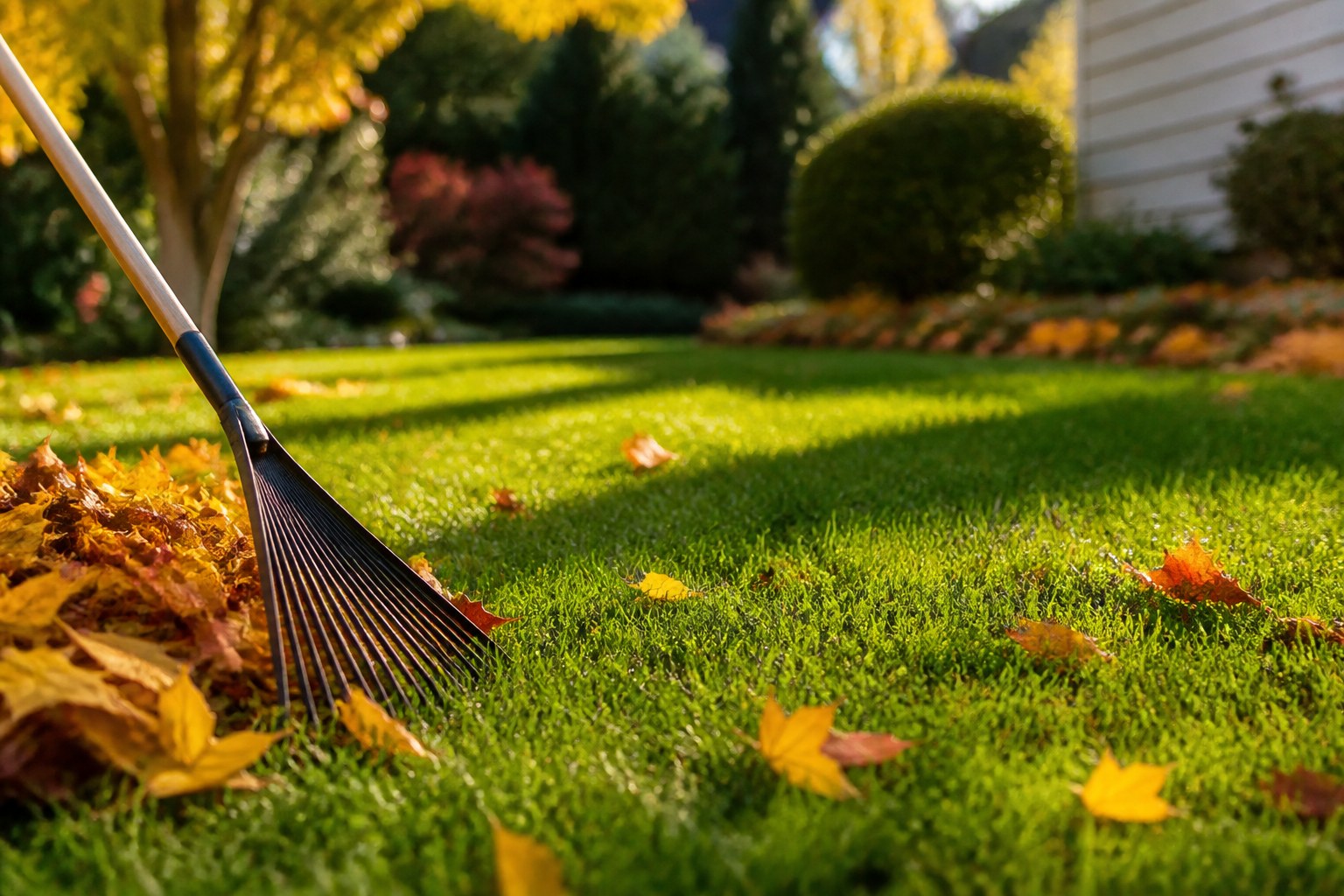
Autumn is the forgotten season for lawn care. Most people focus hard on spring and summer, then neglect their lawns through autumn. This is a mistake - the work you do in March through May determines how well your lawn survives winter and how quickly it recovers in spring.
Here’s your complete guide to autumn lawn care on the Mornington Peninsula.
Why Autumn Lawn Care Matters
As temperatures cool and (hopefully) rain returns, lawns experience a second growth flush. This is your opportunity to:
- Repair summer damage (drought stress, wear, disease)
- Build root strength before winter dormancy
- Prevent winter weeds establishing
- Set up easy spring recovery
The best lawns in September are the ones that received proper autumn care.
March-April: Early Autumn Tasks
1. Assess Summer Damage
Walk your lawn critically and identify:
- Bare or thin patches
- Compacted areas
- Weed infestations
- Disease or pest damage
- Poor drainage spots
Create a plan to address the worst areas.
2. Dethatching If Needed
Heavy thatch (more than 15-20mm of dead grass material) prevents water, nutrients, and air reaching soil.
Test: Push a finger into the lawn. If it’s spongy with a thick layer before reaching soil, you likely need dethatching.
Method:
- Rake vigorously with a dethatching rake
- Rent a dethatcher for large areas
- Remove loosened material
- Follow up with other autumn tasks
Warning: This is stressful for lawns. Only do it if genuinely needed and when there’s time for recovery.
3. Aeration for Compacted Soil
Compacted soil from summer foot traffic? Core aeration helps:
- Rent a core aerator or hire professionals
- Focus on high-traffic areas
- Leave cores on surface to break down
- Follow with topdressing for best results
Aeration is particularly valuable on the Peninsula’s heavier soils.
4. Repair Bare Patches
Autumn is ideal for overseeding and repairs:
- Prepare bare areas (rake, loosen soil)
- Choose appropriate grass seed for your lawn type
- Or lay turf for instant results
- Keep consistently moist until established
The cooling temperatures and (usually) more reliable moisture make autumn easier for establishment than spring.
5. Fertilize with Autumn Formula
Autumn fertilizer focuses on root development rather than rapid top growth:
- Choose fertilizer with lower nitrogen, higher phosphorus and potassium
- Apply in March or early April
- Water in thoroughly
- This strengthens lawn for winter
Avoid high-nitrogen summer formulas in autumn - you don’t want to encourage soft growth heading into winter.
6. Increase Mowing Height Slightly
As growth slows, gradually raise your mower height:
- Longer grass handles cold stress better
- Provides insulation against frost
- But don’t go too long - still follow regular mowing schedule
Aim for about 10mm longer than your summer height.
Late Autumn: April-May Tasks
7. Stay on Top of Weeds
Winter weeds germinate in autumn. Get ahead of them:
- Hand-pull or spot-spray broadleaf weeds
- Bindii control is critical now (before winter rosettes establish)
- Winter grass treatment if it’s a problem
- Don’t let weeds set seed
8. Deal with Fallen Leaves
Fallen leaves smother grass and create disease problems:
- Rake or blow regularly
- Don’t let leaves sit more than a week
- Compost them or use as mulch in garden beds
- More critical in shaded or damp areas
A leaf blower makes this job much faster if you have trees.
9. Address Drainage Issues
Autumn rain reveals drainage problems:
- Note where puddles form
- Poor drainage causes disease and bare patches
- Plan fixes (grading, drainage, etc.)
- Better to fix now than live with problems through winter
Some drainage fixes are DIY. Others require professional landscaping help.
10. Final Lawn Feed (Optional)
If you missed the March feed, early May is your last chance:
- Use autumn formula
- Don’t feed later than mid-May
- Late feeding encourages growth that won’t harden off before frost
Autumn Weed Control
Several problem weeds germinate and grow through autumn/winter:
Bindii (Jo-Jo)
Germinates in autumn, grows through winter, seeds in spring. Those painful prickles.
Control: Pre-emergent herbicide in March, or selective herbicide once germinated. Hand-pulling works for small infestations.
Winter Grass
Annual grass weed that dominates neglected lawns through winter.
Control: Pre-emergent in March, or selective grass herbicide once established. Hand-pulling is futile for anything beyond tiny spots.
Broadleaf Weeds
Dandelions, clover, flatweed, etc.
Control: Selective broadleaf herbicide on still days, or hand-pull if limited.
Timing matters: Treat weeds while actively growing (autumn) for best results. They’re harder to kill in winter dormancy.
Peninsula-Specific Considerations
Coastal vs Inland
Coastal properties: Milder winters mean longer growing season. You may barely have winter dormancy. Continue light lawn care through winter.
Inland properties: Expect proper dormancy and frost. Autumn prep is more critical - the lawn won’t recover until spring.
Autumn Rain Patterns
We usually get good autumn rain. But if autumn stays dry:
- Continue watering to support recovery and establishment
- Delay repairs until moisture is reliable
- Be patient - stressed lawns in dry autumn won’t recover properly
Wind Tolerance
Autumn winds are less severe than spring, but still a factor:
- Longer grass handles wind stress better
- Exposed properties need extra care
- Protect new seed/turf from drying winds
Irrigation Management
Scale Back Watering
As temperatures drop and rain (hopefully) arrives:
- Reduce irrigation frequency
- Adjust automatic systems
- Monitor soil moisture, don’t just water by schedule
- Over-watering in cool weather causes disease
But don’t abandon watering entirely until reliable rain establishes. Many autumns start dry.
Winterize Systems (If Needed)
For automated systems:
- Check for leaks or damage before winter
- Adjust timers for reduced watering
- In frost-prone areas, consider blowing out lines (Peninsula rarely needs this)
Common Autumn Lawn Mistakes
1. Neglecting It Entirely
“Summer’s over, lawn care is done until spring.” Wrong. Autumn work determines spring results.
2. Scalping in Autumn
Cutting too short heading into winter stresses grass and reduces cold tolerance. Gradually raise height, don’t lower it.
3. Late Fertilizing
Feeding lawn in late May encourages growth that won’t harden before frost. Finish feeding by early May.
4. Ignoring Disease
Fungal diseases love cool, moist autumn conditions:
- Monitor for brown patch, dollar spot, rust
- Improve drainage and air circulation
- Reduce nitrogen if disease-prone
- Treat promptly if needed
5. Giving Up on Repair
“Too late to fix patches now.” Actually, autumn is ideal. You have several months of mild growing conditions for establishment before summer stress.
DIY or Professional Help?
Autumn lawn care is often where DIY meets reality:
You Can Probably Handle:
- Regular mowing and basic maintenance
- Hand-weeding and spot herbicide treatment
- Small patch repairs
- Fertilizing
Consider Professional Help For:
- Core aeration (equipment rental vs professional pricing often favors pros)
- Major dethatching
- Extensive repairs or renovation
- Weed control programs
- Drainage fixes
Many Peninsula homeowners handle routine maintenance themselves but bring in professionals for annual tasks like aeration or major spring/autumn work.
Month-by-Month Autumn Timeline
March
- Assess summer damage
- Plan repairs
- First autumn fertilizer
- Begin overseeding/patching
April
- Complete repairs
- Aeration if needed
- Stay on top of weeds
- Manage leaf fall
- Begin raising mowing height
May
- Final feed (early May)
- Last weed treatment before winter
- Continue leaf management
- Final mowing height adjustment
- Prepare for winter maintenance mode
Setting Up for Spring Success
Everything you do in autumn shows up in spring:
Good autumn care:
- Lawn greens up quickly in spring
- Fewer weeds
- Better density
- Less repair work needed
Neglected autumn:
- Slow spring recovery
- Patchy, thin areas
- Weed-infested
- Major catch-up work required
The choice you make in March-May determines whether you’re enjoying your lawn in October or still trying to get it presentable.
Final Thoughts
Autumn lawn care isn’t glamorous. It’s not the impressive spring green-up or the summer showcase. It’s the behind-the-scenes work that makes everything else possible.
Commit to the basics:
- Keep mowing regularly as long as grass grows
- Feed once with autumn fertilizer
- Repair damaged areas
- Control weeds
- Manage leaves
Even a modest autumn effort beats none. You’ll thank yourself when spring arrives and your lawn bounces back while your neighbors are still dealing with winter aftermath.
And if autumn is your busy season (work, kids’ sports, etc.), professional lawn services can handle the critical tasks while you focus elsewhere. It’s better to outsource autumn care than to skip it entirely because you’re overwhelmed.
Your spring lawn starts in autumn. Invest the effort now, reap the rewards for six months to come.
Need a Hand?
Seasonal garden clean-ups and maintenance. Get a quote from our trusted Peninsula partners.
Contact Peninsula Hard Yards →Disclosure: We share links to related local services that serve our readers in the Peninsula area.